Costume designer Mirren Gordon-Crozier's Hungry Ghost look for Margo's Got Money Troubles — sheer, thrifted, screen-ready — offers a surprisingly practical blueprint for the high-low luxury weekend wardrobe that Asia's style-savvy travellers have been perfecting for years.
When OnlyFans Fantasy Becomes Wearable Luxury: The Margo's Got Money Troubles Effect
There is a particular kind of costume that lodges itself in the cultural imagination long before a series finishes airing, and the wardrobe built for Margo's Got Money Troubles has done exactly that. At the centre of it is the Hungry Ghost — the seductive, algorithmically savvy alter-ego of Elle Fanning's protagonist — a character whose look has sparked genuine conversation about the blurry line between digital fantasy, cosplay culture, and the kind of considered, high-low dressing that Asia's most stylish weekend travellers have been quietly mastering for years. Costume designer Mirren Gordon-Crozier constructed this aesthetic with a thrifter's instinct and a couturier's eye, and the result is something that feels simultaneously throwaway and deeply intentional.
What Makes the Hungry Ghost Look So Covetable?
Gordon-Crozier built the Hungry Ghost's wardrobe around the idea of performed desirability — clothes that look like they were chosen to be seen on a screen, cropped and filtered and scrolled past at speed. Sheer layers, vintage-inflected lingerie silhouettes, and pieces that straddle the line between costume and street wear give the look its particular charge. The genius is in the tension: nothing is overtly expensive, yet everything reads as deliberate. It is the visual language of the creator economy translated into fabric, and it has resonated with audiences who understand that fantasy, in 2025, is as much about curation as it is about cash.
For Asia-based style travellers, this aesthetic maps neatly onto a weekend wardrobe philosophy that has been gaining traction in cities from Tokyo to Singapore — the idea that a long weekend at a five-star resort does not require a trunk of couture, but rather a handful of pieces chosen with surgical precision. A vintage slip dress worn to a rooftop bar in Bangkok. A sheer cover-up that doubles as an evening layer at a Bali beach club. The Hungry Ghost would approve.
Where to Channel the Look Across Asia's Finest Weekends
The most natural habitat for this kind of dressed-up, dressed-down energy is the boutique resort scene that has matured so beautifully across Southeast Asia and Japan. Properties that blend art-forward interiors with genuinely relaxed dress codes create the ideal backdrop for a wardrobe built around the Hungry Ghost principle — pieces that photograph beautifully, feel effortless in person, and carry a story. Think Amanjiwo's stone terraces at dusk, where a carefully chosen vintage-inspired silhouette reads as quietly extraordinary against the Borobudur skyline.
In Japan, the ryokan circuit has begun attracting a younger, more style-conscious traveller who arrives with a capsule wardrobe rather than a suitcase. Properties like Beniya Mukayu in Kaga Onsen offer the kind of pared-back, considered environment where the Hungry Ghost aesthetic — minimal, deliberate, slightly theatrical — feels entirely at home. The interplay between traditional yukata and a guest's own layered, screen-ready pieces has become its own kind of weekend performance art.
Amanjiwo
📍 Borobudur, Central Java, Indonesia
📞 +62 293 788 333
🌐 Website
Beniya Mukayu
📍 Kaga Onsen, Ishikawa Prefecture, Japan
📞 +81 761 77 1340
🌐 Website
How to Build a Hungry Ghost Weekend Wardrobe
The costume design philosophy behind Margo's Got Money Troubles offers a surprisingly practical framework for packing a luxury weekend bag. Gordon-Crozier's approach — sourcing thrifted pieces and elevating them through context and styling — translates directly into the kind of high-low packing that savvy Asia travellers have refined over years of island-hopping and city-breaking. The key is contrast: one genuinely investment-grade piece, whether a silk slip dress or a sculptural sandal, anchored by pieces that carry visual interest without demanding a premium price tag.
- The anchor piece: A bias-cut silk dress in ivory or nude — Roksanda and local Singapore label Esse both do this well, from approximately SGD 400–900
- The thrifted layer: A sheer vintage blouse or lace overlay, sourced from Chatuchak in Bangkok or Tokyo's Shimokitazawa district
- The statement shoe: A strappy heel or sculptural flat that photographs as well as it walks — Bottega Veneta's Stretch sandal remains the benchmark
- The cover-up: A sarong or oversized shirt that moves between pool, beach club, and open-air dinner without changing energy
Why This Moment Matters for the Luxury Weekend Traveller
The Hungry Ghost is not merely a television character — she is a cultural signal about how aspirational dressing has shifted. The OnlyFans economy has democratised the idea of the curated self, and luxury weekend culture has absorbed that sensibility entirely. Today's UHNW traveller in Asia is as likely to be photographing their breakfast at Capella Singapore in a carefully chosen vintage find as they are in head-to-toe designer. The performance of the weekend has become as important as the weekend itself, and costume designers like Gordon-Crozier are, perhaps unwittingly, writing the rulebook.
For those planning their next long weekend escape across Asia, the lesson from Margo's Got Money Troubles is simple: dress for the version of yourself you want to project, not the budget you want to signal. The most compelling looks — on screen and at a Maldivian overwater villa — are always the ones that suggest a story rather than a price tag. Book the suite, pack the slip dress, and let the Hungry Ghost do the rest.
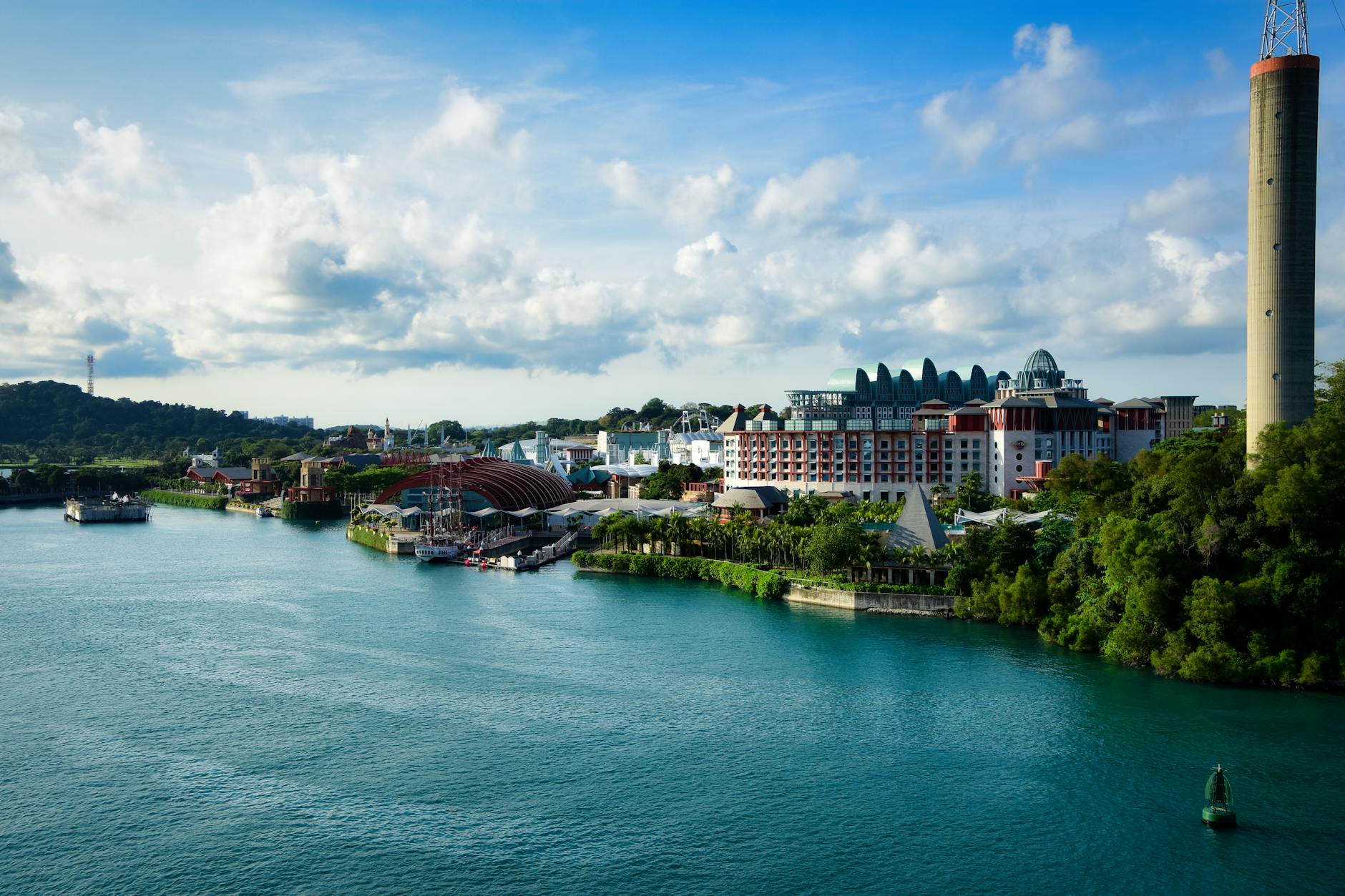
Capella Singapore
📍 1 The Knolls, Sentosa Island, Singapore 098297
📞 +65 6377 8888
🌐 Website
Frequently Asked Questions
What is the Hungry Ghost aesthetic from Margo's Got Money Troubles?
The Hungry Ghost is the on-screen alter-ego of Elle Fanning's character in Margo's Got Money Troubles, built by costume designer Mirren Gordon-Crozier around the visual language of the creator economy — sheer layers, vintage-inflected lingerie silhouettes, and pieces that feel simultaneously casual and deeply considered. It is a look designed to perform well on a screen while retaining tactile, real-world appeal.
How does the Hungry Ghost costume style translate into luxury travel dressing?
The philosophy behind the costume design — high-low sourcing, deliberate contrast, and pieces chosen for visual impact rather than label recognition — maps directly onto the capsule wardrobe approach favoured by experienced Asia luxury travellers. A single investment piece anchored by thrifted or affordable finds creates the same tension and interest that makes the Hungry Ghost look so compelling.
Which Asian resorts best suit a style-forward, screen-ready weekend wardrobe?
Properties with art-forward interiors, relaxed dress codes, and photogenic environments are the ideal match. Amanjiwo in Central Java, Beniya Mukayu in Japan's Kaga Onsen, and Capella Singapore on Sentosa Island all offer the kind of backdrop where a carefully curated wardrobe becomes part of the experience rather than an afterthought.
Where can travellers source thrifted or vintage pieces in Asia for a luxury weekend look?
Bangkok's Chatuchak Weekend Market, Tokyo's Shimokitazawa neighbourhood, and Singapore's Vintage Matters are among the best destinations for sourcing the kind of characterful, one-of-a-kind pieces that underpin the Hungry Ghost aesthetic. Pairing these finds with a single luxury anchor piece — a designer sandal or silk slip dress — creates the high-low tension that defines the look.
Is cosplay-inspired dressing appropriate at five-star Asian resorts?
Absolutely, provided the execution is considered rather than costume-literal. The Hungry Ghost aesthetic is about the spirit of theatrical self-presentation — deliberate, layered, slightly performative — rather than literal fancy dress. Asia's leading resorts, from Aman properties to boutique ryokans, have always welcomed guests who treat dressing as part of the experience.