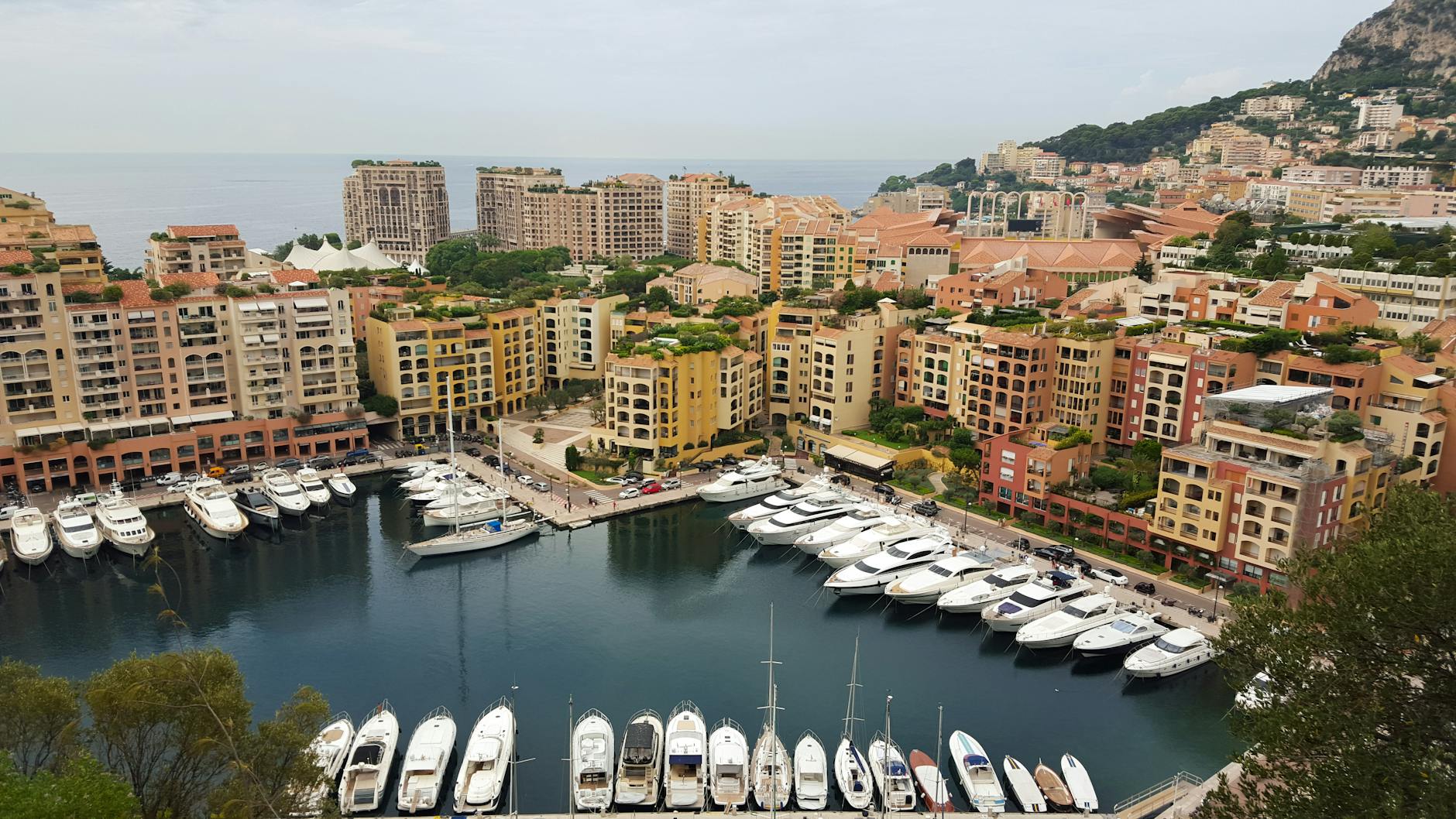
TL;DR: The Knight Frank Wealth Report has identified the superyacht destinations set to dominate 2026, and Asia features prominently. From the limestone karsts of Ha Long Bay to the turquoise shallows of the Mergui Archipelago, the region is staking its claim as the world's most compelling blue-water playground.
Key Takeaways
- Asia is rising fast: Multiple Asian destinations appear in Knight Frank's 2026 superyacht hotspot rankings, challenging the dominance of the Mediterranean circuit.
- Exclusivity is the draw: Locations like the Mergui Archipelago and Raja Ampat offer anchorages with virtually no crowds, a rarity in an era of overtourism.
- Charter demand is surging: Brokers report a 30–40% increase in Asia-Pacific superyacht charter inquiries since 2023, driven by UHNW clients from Singapore, Hong Kong, and Tokyo.
- New marinas are opening: Infrastructure investment across Thailand, Indonesia, and Vietnam is making longer-range itineraries far more practical for vessels above 50 metres.
- The season matters: Each destination has a narrow weather window — getting the timing right separates a transcendent voyage from a frustrating one.
Why Asia Is Rewriting the Superyacht Map
For decades, the superyacht calendar followed a familiar rhythm: the Côte d'Azur in summer, the Caribbean in winter, and perhaps a brief detour through the Greek islands for those who considered Mykonos insufficiently exclusive. That rhythm is changing. According to the Knight Frank Wealth Report, a new generation of ultra-high-net-worth owners and charterers — many of them based in Asia — are demanding itineraries that feel genuinely undiscovered, and the region is delivering in spectacular fashion. The combination of extraordinary natural scenery, improving marina infrastructure, and a cultural depth that no Mediterranean port can replicate is proving irresistible.
The shift is not merely aesthetic. Fuel logistics, crew availability, and flag-state regulations have historically made Asia a challenging region for large-displacement yachts. But sustained investment in port facilities across Thailand, Indonesia, and Vietnam has removed many of those friction points, opening up itineraries that were simply impractical five years ago. For an Asia-based owner, the proposition is now compelling: world-class sailing within a four-hour flight of home, without the transatlantic repositioning costs.
The Destinations That Are Defining 2026
Ha Long Bay in northern Vietnam remains the region's most iconic anchorage, and for good reason. The sheer density of limestone karsts — over 1,600 islands and islets rising from emerald water — creates a landscape that photographs cannot adequately convey. What has changed is the calibre of vessel now making the journey. Where traditional wooden junks once held a monopoly, superyachts of 40 metres and above are now navigating the bay's deeper channels, with private chefs preparing tasting menus as the sun drops behind the cliffs. The best approach is to arrive mid-week and push deeper into Bai Tu Long Bay, where the tourist traffic thins to almost nothing.
Further south, the Mergui Archipelago off Myanmar's Tanintharyi coast represents perhaps the last genuinely frontier superyacht destination in Southeast Asia. Stretching across 800 islands, the archipelago sees perhaps a handful of superyachts in any given month. The diving is extraordinary — visibility regularly exceeds 30 metres — and encounters with the Moken sea nomads, who have navigated these waters for centuries, add a human dimension that no Riviera anchorage can offer. Permits are required and logistics demand a specialist broker, but that friction is precisely what keeps the crowds away.
Raja Ampat and the Eastern Promise
Indonesia's Raja Ampat, at the heart of the Coral Triangle, has earned a reputation as the world's most biodiverse marine environment, and superyacht operators are increasingly structuring extended itineraries around it. The region contains over 1,500 species of fish and 600 species of coral — figures that make the Red Sea look modest by comparison. Liveaboard dive vessels have operated here for years, but the arrival of purpose-built expedition superyachts with decompression chambers, submersibles, and dedicated marine biologists on crew has elevated the experience into something altogether different. The practicalities have improved too: Sorong, the gateway city, now handles provisioning for vessels up to 70 metres with reasonable efficiency.
Burgess Yachts — Asia-Pacific Charter Desk
📍 Singapore (regional office)
📞 +65 6408 9100
🌐 burgessyachts.com
Fraser Yachts — Asia Charter Division
📍 Hong Kong & Singapore
📞 +852 2526 1118
🌐 fraseryachts.com
How to Plan Your 2026 Voyage
The single most important variable in any Asia superyacht itinerary is timing. Ha Long Bay is best visited between October and April, when the northeast monsoon brings clear skies and calm seas. The Mergui Archipelago opens up between November and May. Raja Ampat has two distinct seasons, with October to April offering the best conditions in the south and May to October favouring the north — a nuance that a good charter broker will build into a longer itinerary. Booking 12 to 18 months ahead is no longer unusual for the most sought-after vessels; availability in peak windows is genuinely constrained.
Budget expectations have also shifted. A crewed superyacht of 40 to 50 metres in Asian waters now commands between USD 150,000 and USD 350,000 per week in high season, before expenses — a figure broadly comparable to the Mediterranean, but for an experience that feels exponentially more exclusive. For owners considering repositioning their own vessel to the region, both Burgess and Fraser maintain dedicated Asia-Pacific desks staffed by brokers with genuine local knowledge. The conversation is worth having now, before the 2026 season fills.
Frequently Asked Questions
Which Asian superyacht destinations are highlighted in the Knight Frank Wealth Report for 2026?
The report points to Ha Long Bay in Vietnam, the Mergui Archipelago in Myanmar, and Raja Ampat in Indonesia as standout destinations, alongside established hubs like Phuket and the Komodo region. These locations are gaining traction due to their natural exclusivity, improving infrastructure, and the growing appetite among Asia-based UHNW clients for itineraries closer to home.
How much does it cost to charter a superyacht in Asia in 2026?
Crewed superyacht charters of 40 to 50 metres in Asian waters are currently priced between USD 150,000 and USD 350,000 per week in peak season, before additional expenses (fuel, provisions, port fees, crew gratuity). Smaller vessels in the 30-metre range can be secured for considerably less, while expedition-class yachts with specialist equipment command a premium above those figures.
Do I need special permits to charter a superyacht in the Mergui Archipelago?
Yes. Foreign vessels require permits to enter Myanmar's Mergui Archipelago, and the process involves coordination with local authorities. A specialist broker with regional experience — such as those at Burgess or Fraser — can manage the permit process as part of the charter arrangement. Lead times of several months are advisable.
What is the best time of year to charter a superyacht in Asia?
It depends on the destination. Ha Long Bay and the Mergui Archipelago are best between November and April. Raja Ampat's optimal conditions vary by sub-region but broadly favour October to April in the south. Phuket and the Andaman Sea are generally best from November through March. A good broker will design an itinerary that follows the weather windows across multiple destinations.
How far in advance should I book a superyacht charter in Asia for 2026?
For peak-season windows — particularly December through February — booking 12 to 18 months ahead is increasingly standard. The most desirable vessels in the 40-to-60-metre range are often committed well in advance, and the limited number of expedition-class yachts equipped for destinations like Raja Ampat means availability is genuinely constrained. Engaging a broker now for a 2026 voyage is strongly advisable.