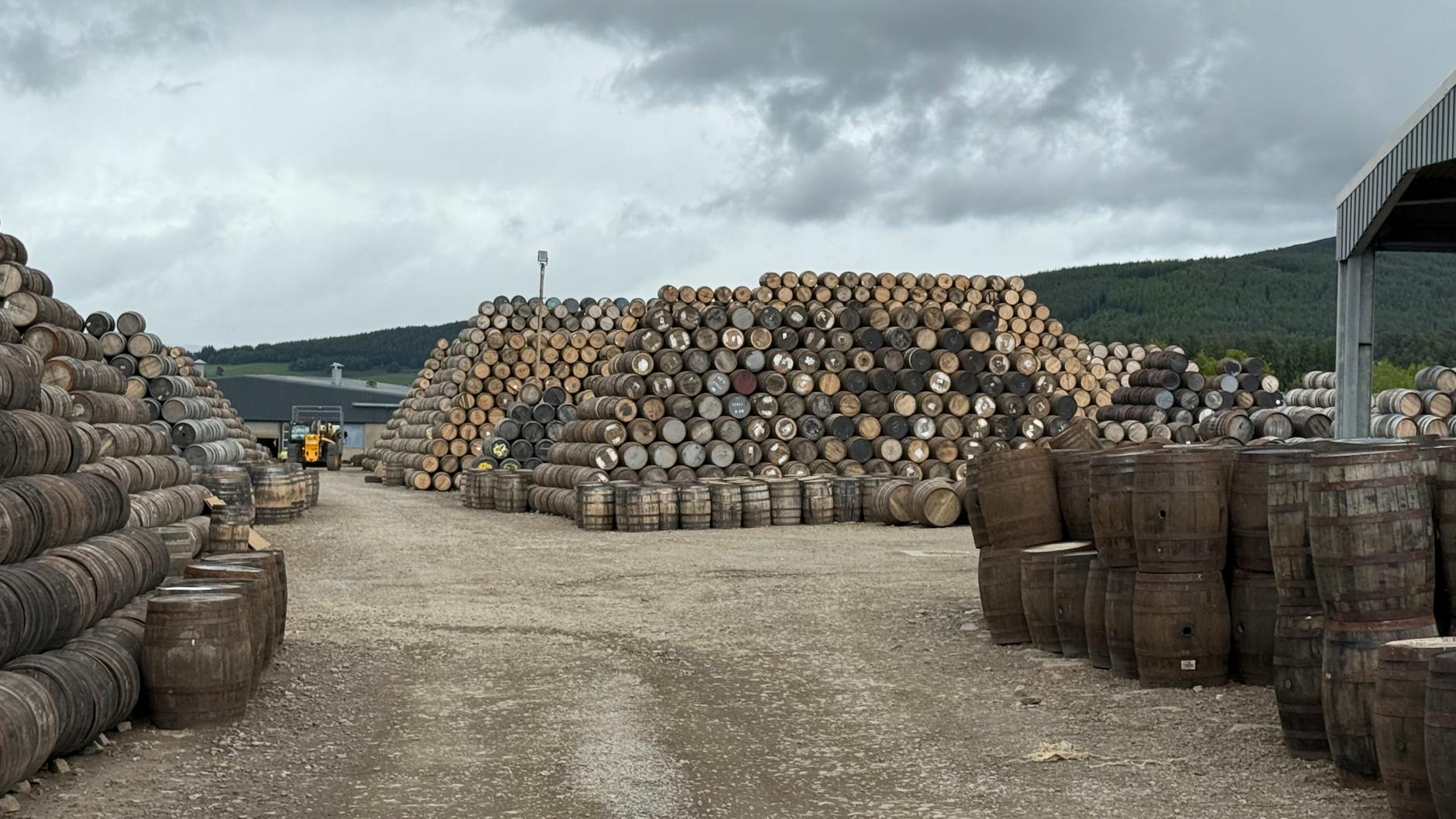
The New Luxury Standard: Spirits That Respect the Earth
There is a quiet revolution happening in the world of fine spirits, and it has nothing to do with age statements or cask finishes — at least, not entirely. Across Scotland, Central America, and beyond, a growing number of master distillers are rethinking every stage of production, from the grain in the field to the bottle on your bar trolley. For the Asia-based connoisseur who thinks carefully about where their money goes, these are the drams and pours worth seeking out on your next long weekend escape.
Scotch With a Conscience
Scotland's whisky industry has long been one of the country's most carbon-intensive sectors, but a handful of forward-thinking distilleries are changing that reputation with remarkable speed. Bruichladdich on the Isle of Islay has become something of a benchmark, sourcing the majority of its barley from Scottish farms and publishing full transparency reports on its agricultural footprint. The distillery's Classic Laddie expression — fresh, unpeated, and distinctly coastal — is produced with a commitment to traceability that few rivals can match. A visit to Islay itself, reachable via a short flight from Glasgow, remains one of the most atmospheric whisky pilgrimages available to the serious collector.
Further north, Nc'nean Distillery in the Scottish Highlands runs entirely on renewable energy and uses organic barley, making it one of the few certified organic single malts in the world. Their Botanical Spirit and seasonal single malt releases have attracted a devoted following among younger collectors who want provenance alongside pleasure. Bottles retail from approximately £45, though limited expressions command considerably more at auction.
Rum Reimagined in Nicaragua
Beyond Scotland, Flor de Caña from Nicaragua has spent decades building one of the most credible sustainability stories in the spirits world. The distillery is powered by a neighbouring volcano — geothermal energy that eliminates the need for fossil fuels entirely — and has achieved both carbon-neutral and fair-trade certification. Their 12-year Centenario Gold is a benchmark aged rum, silky and complex with notes of vanilla, dried fruit, and a long caramel finish. At around USD $35 a bottle, it represents extraordinary value for a spirit produced with this level of environmental rigour.
What to Look For When Buying Sustainable Spirits
Not every brand that uses the word "sustainable" on its label has earned the right to do so. When building a considered collection, look for third-party certifications — B Corp status, organic accreditation, or carbon-neutral verification — rather than marketing language alone. Provenance of raw ingredients matters enormously; a distillery that sources locally reduces transport emissions significantly compared to one importing grain from multiple continents. Packaging is another indicator: lightweight glass, recycled materials, and minimal secondary packaging all signal genuine intent rather than performative greenwashing.
- Bruichladdich Classic Laddie: Unpeated Islay single malt, sustainably farmed Scottish barley, from approx. £35
- Nc'nean Organic Single Malt: Certified organic, renewable energy distillery, from approx. £45
- Flor de Caña Centenario 12-Year: Carbon-neutral, fair-trade certified Nicaraguan rum, from approx. USD $35
Bruichladdich Distillery
📍 Bruichladdich, Isle of Islay, Scotland
📞 +44 1496 850190
🌐 Website
Nc'nean Distillery
📍 Drimnin, Morvern, Scottish Highlands, Scotland
📞 +44 1967 421698
🌐 Website
Flor de Caña
📍 Chichigalpa, Nicaragua
🌐 Website
The Verdict
Sustainable spirits are no longer a compromise — they are, increasingly, the most interesting bottles in the room. Whether you are stocking a private villa bar in Phuket, curating a cellar in Hong Kong, or simply choosing what to sip on a long weekend in Kyoto, these distilleries offer something that purely commercial producers rarely manage: a story worth telling alongside a glass worth drinking. Seek them out, ask your hotel sommelier to source them, and raise a glass to producers who understand that the finest luxury of all is one that leaves the world better than it found it.