Billboard has named Thalia its 2026 Women in Music Icon, but the Mexican superstar's next ambition is farming. Her pastoral dream mirrors a rising luxury travel movement across Asia, where agri-retreats are redefining what it means to spend a weekend well.
TL;DR: Thalia has been named Billboard's 2026 Women in Music Icon, cementing her status as a Latin pop legend — but the Mexican superstar's next chapter may involve trading stage lights for sunrise harvests. Her vision of a working farm is as unexpected as it is inspiring, and it raises a compelling question for Asia's luxury travellers: what does the ultimate retreat look like when even icons crave soil under their fingernails?
Thalia's Icon Status and the Art of Reinvention
When Billboard named Thalia its 2026 Women in Music Icon, the announcement felt both inevitable and electric. The Mexican singer, actress, and entrepreneur has spent four decades shapeshifting — from telenovela royalty to Latin pop phenomenon to global brand architect — without ever losing the thread of what makes her magnetic. At 54, she carries the kind of authority that only comes from having genuinely earned it, one sold-out arena and reinvented album era at a time.
In a recent interview styled around Harper's Bazaar's "First, Now, Next" questionnaire format, Thalia reflected on the trajectory of her career with the kind of clarity that comes from distance. Her first memory of feeling powerful on stage, her current obsession with intentional living, and her next ambition — which turns out to be considerably more pastoral than most would expect from a Billboard Icon — paint a portrait of a woman who has never been content to simply maintain altitude. She wants to grow things, literally.
Why a Farm? The Luxury of Slowing Down
Thalia's desire to start a farm is not a whim — it reads as the logical conclusion of a life lived at extraordinary velocity. When you have performed for millions, built a fashion line, and become a household name across three continents, the aspiration to wake before dawn and tend to something rooted in the earth carries a particular kind of weight. It is the luxury that money cannot simply purchase: genuine stillness, genuine purpose, genuine dirt.
For Asia's ultra-high-net-worth community, this resonates deeply. The region's most forward-thinking luxury retreats have already begun pivoting toward what hospitality insiders call "meaningful deceleration" — experiences that replace spectacle with substance. Agri-tourism estates in Bali, tea plantation villas in Sri Lanka's hill country, and regenerative farm retreats in Japan's Yamagata Prefecture are attracting a new generation of travellers who, much like Thalia, have had enough of the highlight reel and want something that feels genuinely real.
Where Asia's Luxury Farm Retreats Are Setting the Standard
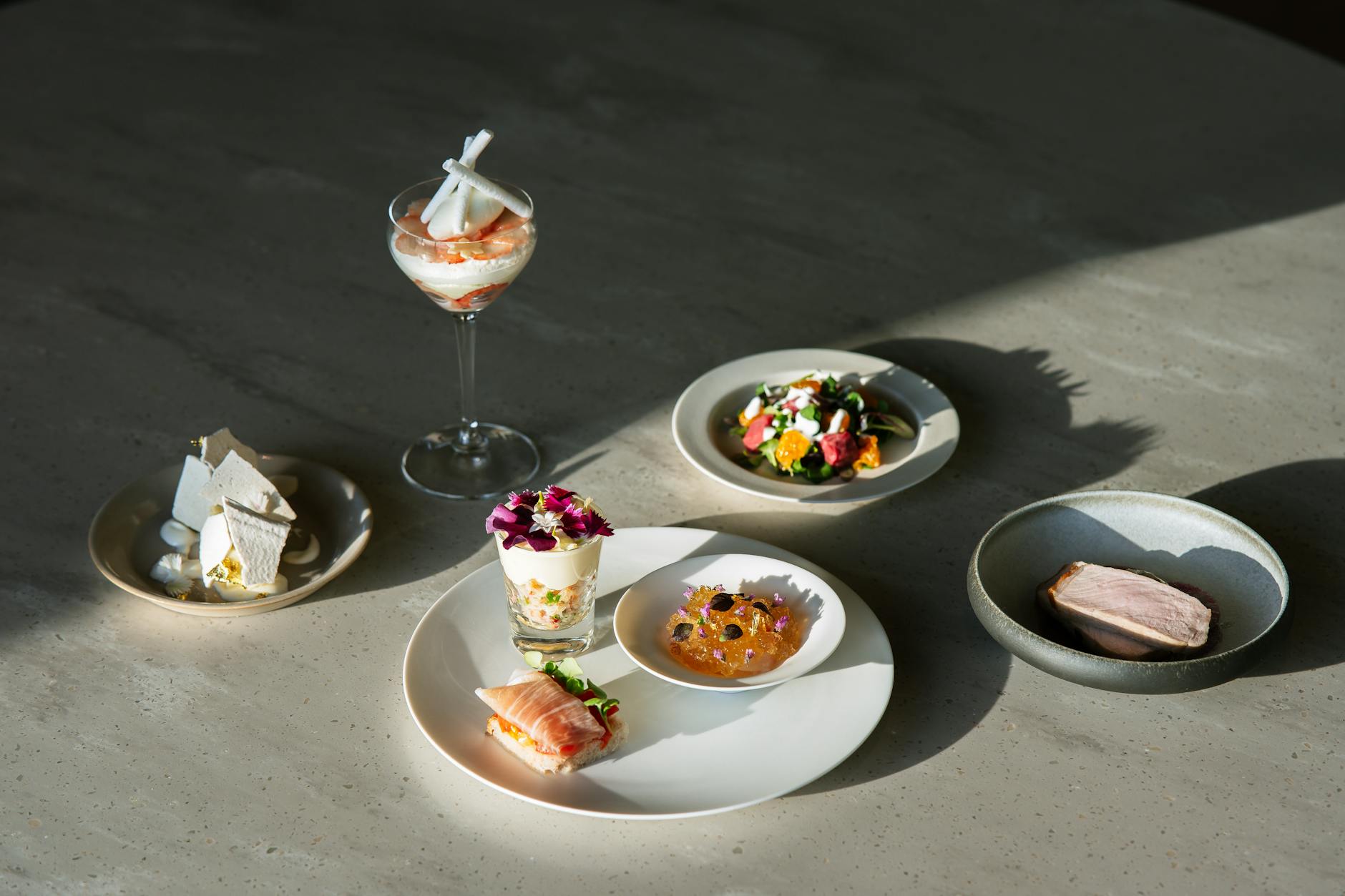
The concept of the luxury working farm as a weekend destination has matured considerably across Asia in recent years. In Ubud, Bali, properties such as COMO Shambhala Estate have long offered organic garden immersions alongside their celebrated wellness programmes, but newer entrants are pushing the concept further — think private plots, resident agronomists, and harvest-to-table dinners prepared by Michelin-pedigreed chefs using only what was picked that morning. The sensory experience of eating a meal you helped cultivate, on a terrace overlooking terraced rice fields at golden hour, is one that no amount of room-service truffle fries can replicate.
In Japan, the agri-luxury movement has taken on a distinctly artisanal character. Ryokan estates in Niigata and Nagano now offer guests the chance to participate in sake rice cultivation, wasabi farming in glacial stream beds, and hand-harvesting of yuzu in centuries-old groves. These are not performative activities — they are genuinely labour-intensive, genuinely educational, and genuinely transformative. Thalia's farm dream, viewed through this lens, is not a step down from icon status. It is an upgrade.
COMO Shambhala Estate
📍 Banjar Begawan, Ubud, Bali, Indonesia
📞 +62 361 978 888
🌐 Website
The Thalia Effect: What Icons Inspire in Luxury Travel
There is a well-documented phenomenon in luxury travel whereby the public passions of cultural icons shift the aspirations of their audiences. When Beyoncé expressed her love of Renaissance-era European architecture, bookings at certain French châteaux spiked. When Pharrell Williams began championing Japanese craft culture, bespoke artisan travel packages sold out within days of launch. Thalia's farm ambition, amplified by a Billboard Icon platform, has the potential to accelerate interest in agri-luxury experiences across Latin America and, critically, among the Latin diaspora communities now firmly embedded in Asia's financial capitals — Singapore, Hong Kong, and Tokyo among them.
For travel designers and concierge services catering to Asia's UHNW clientele, the message is clear: curate experiences that honour the rhythm of the land. Whether that means a private farm stay in Hokkaido, a cacao plantation immersion in Chiang Rai, or a bespoke vineyard weekend in Yunnan's emerging wine country, the appetite for grounded luxury is not a passing trend. It is where the most discerning travellers — and apparently, Billboard Icons — are choosing to spend their most precious weekends.
Frequently Asked Questions
Why has Thalia been named Billboard's 2026 Women in Music Icon?
Thalia has been recognised for her four-decade career as a Mexican singer, actress, and entrepreneur who has achieved sustained global impact in Latin pop, television, and fashion, making her one of the most enduring and influential figures in the industry.
What is Thalia's next personal ambition beyond music?
Thalia has expressed a genuine desire to start a working farm, reflecting a broader shift toward intentional, grounded living after a lifetime of high-velocity creative output and global touring.
How does Thalia's farm dream connect to luxury travel trends in Asia?
Her aspiration mirrors a growing movement among Asia's ultra-high-net-worth travellers toward agri-luxury experiences — farm stays, harvest-to-table retreats, and regenerative estate weekends that prioritise authenticity and stillness over spectacle.
Which Asian destinations offer the best luxury farm retreat experiences?
Bali's Ubud region, Japan's Niigata and Nagano prefectures, Sri Lanka's hill country tea estates, and Yunnan's emerging wine and farm tourism corridor are among the most compelling destinations for this style of experiential luxury travel.
Is agri-luxury travel a lasting movement or a passing trend?
Industry analysts and leading hospitality groups across Asia consistently point to agri-luxury as a structural shift rather than a seasonal trend, driven by post-pandemic values around wellness, provenance, and meaningful experience over material excess.